


Building the Backbone of Modern Infrastructure
The Role of Tar & Asphalt in Infrastructure Development
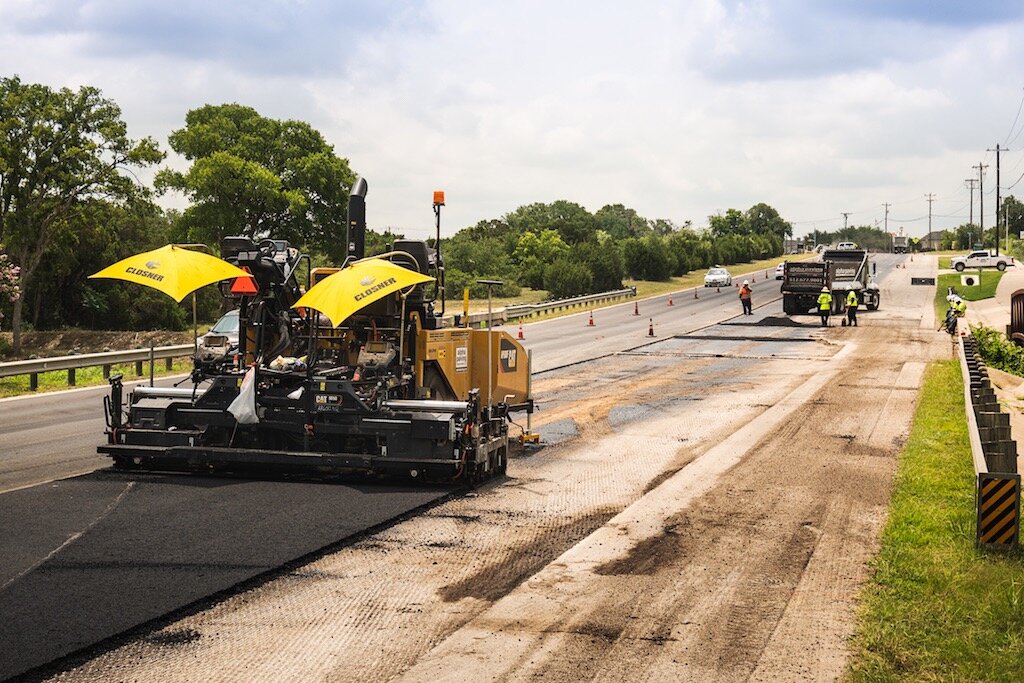
Tar and asphalt are among the most essential materials used in modern infrastructure development. From highways and urban roads to industrial zones and commercial facilities, these materials form the foundation of safe and durable surfaces. Their ability to withstand heavy loads, constant traffic, and environmental stress makes them indispensable in construction projects worldwide. Without tar and asphalt, large-scale transportation networks and industrial expansion would not be possible.
Why Tar & Asphalt Are Critical for Construction Projects
Construction projects demand materials that offer both strength and flexibility. Tar and asphalt provide excellent binding properties, allowing surfaces to absorb stress caused by traffic and temperature changes. This flexibility reduces cracking and surface damage over time, helping infrastructure remain functional and safe. Their adaptability makes them suitable for a wide range of applications, from heavy-duty roads to specialized industrial surfaces.

Durability and Performance in Harsh Environments
One of the key advantages of tar and asphalt is their durability under harsh environmental conditions. These materials perform well in extreme heat, heavy rainfall, and high-traffic environments. Properly supplied and applied asphalt surfaces offer long service life with minimal maintenance, making them a cost-effective choice for governments, contractors, and industrial developers seeking long-term performance.

Applications Across Multiple Industries
Tar and asphalt are widely used across multiple industries. Their applications include road and highway construction, airport runways, industrial flooring, roofing systems, and waterproofing solutions. In industrial zones, asphalt surfaces support heavy machinery and vehicle movement, while in urban areas they ensure smooth and safe transportation. This wide usability highlights their importance in both public and private sector projects.

The Importance of Quality Supply and Consistency
The performance of tar and asphalt depends heavily on consistent quality and reliable supply. Variations in material composition or delayed delivery can negatively impact construction schedules and project outcomes. Reliable trading and supply practices ensure that contractors receive materials that meet required standards, helping projects progress smoothly without unnecessary delays or rework.
Supporting Long-Term Infrastructure Growth
As cities expand and industrial development continues, the demand for durable construction materials grows. Tar and asphalt play a central role in supporting long-term infrastructure growth by enabling reliable transportation networks and industrial access routes. Their continued use contributes to economic development, connectivity, and safer environments for communities and businesses alike.

Conclusion: Building Strong Foundations with Tar & Asphalt
Tar and asphalt remain fundamental materials in shaping modern infrastructure. Their durability, flexibility, and wide range of applications make them essential for construction and development projects of all scales. With consistent quality and dependable supply, tar and asphalt help build strong foundations that support long-term growth, safety, and performance across industries.

“The Strongest Bond for the Toughest Roads.”
